













Call us
Call us
 FOR EXISTING POLICY
Have query on premium, payout or any servicing need?
Call us:
 FOR NEW POLICY
Want to buy a new policy online?
FOR NEW POLICY
Want to buy a new policy online?
FOR NEW POLICY (NRIs)
Note: Consent is provided to Tata AIA Life Insurance Company Limited to contact you by calling/giving missed call to the above numbers.
Thank you for sharing your details. To receive a call from Tata AIA Financial Advisor.
reCAPTCHA is not working.
No relevant search results found.
Popular searches
Continue from where you left of
A critical illness rider1 provides additional financial protection if the policyholder is diagnosed with a covered critical illness during the policy term.... Read more It is available as an add-on to a life insurance policy and provides a separate benefit for specified illnesses. Conditions such as cancer, heart attack and stroke usually require extended treatment and recovery. The benefit from a critical illness rider may help manage expenses during this period. The coverage, illnesses covered, waiting period, survival period and other conditions depend on the rider selected. Understanding what is critical illness rider and other significant details helps in knowing how a critical illness rider works in detail. Read less
Need assistance in choosing the right plan?
A critical illness rider1 is an additional cover that can be added to a life insurance policy. It provides a benefit if the policyholder is diagnosed with a critical illness covered under the rider.
The benefit is generally paid as a lump sum after the diagnosis meets the conditions specified in the policy. Unlike health insurance, this amount is not primarily linked to hospital bills. It could be used towards treatment costs, recovery expenses, household needs or other financial commitments.
The illnesses covered differ across riders. The policy also specifies the benefit amount, waiting period, survival period, exclusions and other conditions. These details determine when the rider benefit becomes payable.
A critical illness could help with both the medical bills and regular finances. A critical illness rider1 is an additional benefit to a term insurance plan for a specified critical diagnosis. Given below are some reasons to add critical illness rider in term insurance plan.
A critical illness rider1 provides an additional benefit for illnesses covered under the policy. Understanding these benefits may help answer the question, “Is critical illness rider worth it?” The following are some critical illness rider benefits:
A critical illness rider1 has specific conditions and exclusions. The following are some important points to check before adding one to a term insurance plan.
A critical illness rider1 does not cover every medical condition. It applies only to the illnesses mentioned in the policy. The definition of each covered illness also needs to be checked before choosing a rider.
A waiting period may apply from the start of the rider1. A survival period may also be required after diagnosis before the benefit becomes payable. The applicable periods depend on the rider terms.
Certain medical conditions, circumstances or diagnoses may be excluded from the rider1. These exclusions are mentioned in the policy documents and need to be reviewed before adding the cover.
The amount payable depends on the rider1 cover selected. If the financial requirement is higher than the rider benefit, the remaining expenses may need to be managed through other financial resources or insurance covers.
The effect of a critical illness claim depends on the rider1 terms. Some riders may cease after the benefit is paid, while other benefits may continue. The applicable conditions should therefore be checked in the policy document.
A critical illness rider1 provides cover for specified illnesses. The following are some situations where individuals may review whether such a rider fits with their existing insurance coverage.
The following table explains critical illness rider1 vs standalone plan vs health insurance.
| Feature | Critical Illness Rider | Standalone Critical Illness Plan | Health Insurance |
|---|---|---|---|
| Structure | Added to a life insurance policy | Separate insurance policy | Separate health insurance policy |
| Main coverage | Specified critical illnesses | Specified critical illnesses | Eligible medical and hospitalisation expenses |
| Benefit | Generally, a lump-sum benefit | Generally, a lump-sum benefit | Usually, reimbursement or cashless payment for eligible expenses |
| Use of benefit | May be used for treatment and other financial needs | May be used for treatment and other financial needs | Used towards eligible healthcare expenses |
| Illness coverage | Limited to illnesses listed under the rider1 | Based on the illnesses covered by the plan | Covers healthcare expenses as specified in the policy |
| Link with life cover | Linked to a life insurance policy | Not linked to life cover | Not linked to life cover |
| Premium | Added to the life insurance premium | Separate premium | Separate health insurance premium |
A critical illness rider1 and a standalone critical illness plan provide a fixed benefit for specified conditions. Health insurance primarily covers eligible medical expenses as per the policy terms.
Tata AIA offers critical illness benefits through rider1 options available with eligible life insurance policies. Its Non-Linked Comprehensive Protection Rider includes the CritiCare Plus Benefit and CritiCare Benefit.
The critical illness benefit provides a lump sum when the diagnosis meets the conditions specified under the selected rider1. The amount may be used towards different financial requirements.
The CritiCare Plus Benefit covers a list of specified critical illnesses and medical conditions. These include conditions such as specified cancer, first heart attack of specified severity, stroke, kidney failure requiring regular dialysis and major organ or bone marrow transplant.
The rider1 includes a survival period for the applicable critical illness benefit. For the criticare plus benefit, a 30-day survival period applies, subject to the policy terms.
Premiums paid for eligible insurance covers may qualify for tax2 benefits under applicable income tax2 provisions. The applicable tax2 treatment depends on the prevailing rules.
The Comprehensive Protection Rider1 includes different critical illness benefits. The coverage, conditions and illnesses covered depend on the benefit selected and the terms of the policy.
The following are some important steps to consider when adding a critical illness rider1 to a term insurance plan.
Start by checking the list of illnesses covered by the rider. The definitions of the illnesses should also be reviewed, as the benefit applies only when the diagnosis meets the specified conditions.
The rider1 benefit determines the lump sum payable for a covered critical illness. Check the available cover amount and how it relates to the existing term insurance policy.
The rider may have specific entry age, policy term and other eligibility requirements. These should be checked before adding the rider to the term plan.
Check whether a waiting period and survival period apply. The exclusions should also be reviewed to understand the circumstances in which the benefit may not be payable.
Adding a rider1 increases the overall premium payable for the insurance policy. The rider premium and the applicable payment terms should be checked before making the addition.
A critical illness rider1 provides an additional financial benefit when the policyholder is diagnosed with a covered critical illness and the claim meets the policy conditions. It is different from health insurance, which cover eligible medical expenses and is also different from a standalone critical illness plan in terms of the policy's relation to life cover, coverage, and premium. Before adding a critical illness rider, it is essential to look into the illnesses covered, the benefit amount, waiting period, survival period, exclusions, and claim conditions. These details usually provide a clearer understanding of how the critical illness rider works alongside a term insurance plan.
1.
A critical illness rider1 provides an additional lump-sum benefit for specified illnesses. Its relevance depends on the existing insurance coverage and the terms of the rider.
2.
The illnesses covered depend on the selected Tata AIA rider1 benefit. The CritiCare Plus Benefit includes specified conditions such as cancer, heart attack, stroke and kidney failure requiring regular dialysis.
3.
A survival period is the specified period a policyholder needs to survive after diagnosis for the critical illness benefit to become payable, subject to policy conditions.
4.
Yes, health insurance and a critical illness rider1 serve different purposes. Health insurance primarily covers eligible medical expenses, while the rider provides a benefit for specified critical illnesses.
5.
Premiums for eligible health-related insurance covers may qualify for tax2 benefits under applicable provisions. The applicable tax2 treatment should be checked against the prevailing income tax2 rules.
6.
A critical illness rider1 may be added to eligible Tata AIA policy, subject to the product terms, eligibility requirements and other applicable conditions.
7.
A critical illness rider1 is attached to a life insurance policy, while a standalone critical illness plan is a separate policy. Both may provide a lump-sum benefit for specified illnesses.
8.
A critical illness rider1 is an additional cover attached to a life insurance policy. It provides a benefit if the policyholder is diagnosed with a critical illness covered under the rider.
The linked insurance product does not offer any liquidity during the first five years of the contract. The policy holder will not be able to surrender/withdraw the monies invested in linked insurance products completely or partially till the end of the fifth year.
Tata AIA Pro-Fit comprises of Tata AIA Health Pro, A Non-Participating, Unit-linked, Individual Health Insurance Plan (UIN: 110L180V02), Tata AIA Health Secure, A Non- Participating, Unit Linked, Individual Health rider (UIN: 110A050V01) & Tata AIA Health Buddy, , Non-participating, Non-Linked, Individual Health Product (UIN:110N183V02).Tata AIA Smart Health Pro and Health Buddy are also available for sale individually.
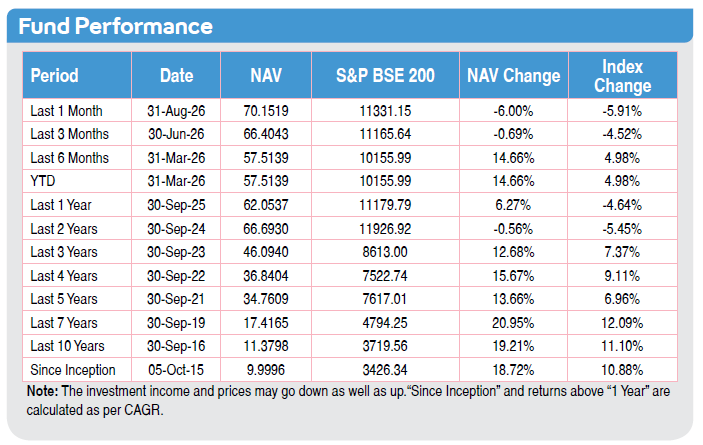
15-year computed NAV for Multi Cap Fund as of September 2026. Other funds are also available. Benchmark of this fund is S&P BSE 200.
2Rider is not mandatory and is available for a nominal extra cost. For more details on benefits, premiums, and exclusions under the Rider, please contact Tata AIA Life's Insurance Advisor/ branch.
3Income Tax benefits would be available as per the prevailing income tax laws under old tax regime, subject to fulfilment of conditions stipulated therein. Income Tax laws are subject to change from time to time. Tata AIA Life Insurance Company Ltd. does not assume responsibility on tax implications mentioned anywhere on this site. Please consult your own tax consultant to know the tax benefits available to you. No Goods and Service Tax shall be applicable on Individual life insurance products as per prevailing laws.
Tata AIA Life Insurance Company Limited is only the name of the Insurance Company & Tata AIA Health Pro is only the name of the Unit Linked health Insurance contract and does not in any way indicate the quality of the contract, its future prospects or returns.
The fund is managed by Tata AIA Life Insurance Company Ltd.
For more details on risk factors, terms and conditions please read sales brochure carefully before concluding a sale. The precise terms and condition of this plan are specified in the Policy Contract.
Past performance is not indicative of future performance. Returns are calculated on an absolute basis for a period of less than (or equal to) a year, with reinvestment of dividends (if any).
All investments made by the Company are subject to market risks. The Company does not guarantee any assured returns. The investment income and price may go down as well as up depending on several factors influencing the market.
Please make your own independent decision after consulting your financial or other professional advisor.
Insurance cover is available under the product.
The products are underwritten by Tata AIA Life Insurance Company Ltd.
The plans are not a guaranteed issuance plan, and it will be subject to Company’s underwriting and acceptance.
For more details on risk factors, terms and conditions please read sales brochure carefully before concluding a sale.
List of day care surgeries mentioned are illustrative in nature. Any surgery that falls under the day care surgery category is eligible for payout.
Buying a Health Insurance Policy is a long-term commitment. An early termination of the Policy usually involves high costs, and the Surrender Value payable may be less than the all the Premiums Paid.
To know more about the products, features, and eligibility, kindly visit our nearest branch or contact us at +91 22 6984 9300