







10 Lakh Investment Plans

A corpus of ₹10 lakh can be a way to achieve many key financial targets, such as purchasing property, funding your child’s education, or investing... Read more for retirement. However, choosing a suitable 10 lakh investment plan requires more than comparing expected returns. Your investment timeline, financial commitments, liquidity requirements, and risk tolerance play a role in deciding where to invest your money. Thinking about your investment can help you balance capital protection, growth requirements, and life insurance needs. Choosing a well-designed investment plan can help support your long-term financial needs. Read less

Left Arrow Icon

Investment Calculator

Plug Icon

Request timeout

We're facing a technical issue. Please try again after some time

Our sales representative will connect with you soon to assist further

Try again
Left Arrow Icon

Investment Calculator

Plug Icon

Unable to load your customized plan

Please try again after some time

Our sales representative will connect with you soon to assist further

Try again

Explore Investment Plans

Are you an NRI?

No

Yes
No

Gender

Male

Male
Female

Do you Smoke?

No

Yes
No

Left Arrow Icon

Investment Calculator

  • 1 Crore
  • 2 Crore
  • 3 Crore
  • 4 Crore
  • 5 Crore
  • Monthly
  • Annually
  • Here's your customized plan
    Get a Life Cover of

    ₹1 Crore

    +
    Maturity Benefit of
    Information Icon

    ⋅ 4% and 8% are assumed rates of return.

    ⋅ Actual returns are shown as per last 5-year performance of the selected fund as on Aug'26. Past performance is not indicative of future performance

    As per assumed rate of return

    ₹34.57 Lakh

    As per past 5 years of fund performance

    Top 200 Fund 16.81%
    or
    decrement-icon % increment-icon

    ₹70.50 Lakh

    Maturity benefit as per assumed rate

    Returns (value)

    by paying  ₹10,963/month

    Total premium: ₹14.09 Lakh

    Information Icon
    • 1st year premium (with discount): 
₹21,749/month
    • 2nd year onwards premium: ₹8,287/month
    close icon
    Thunder Icon

    Save ₹1,202 with discounts

    Discount

    Online discount
    tooltip
    close

    1% discount on health product premium every year
    Additional fund booster will be added at the end of the policy term which is a defined % of average fund value on the last business day of the last eight policy quarters (2 years)

    Policy Term (years)

    Fund Booster %

    30-34

    7%

    35-39

    8%

    40 and above

    10%

    Buy your plan

    close popup

    Want to customise your plan further? Connect with our Tata AIA expert to:

    • check iconExplore available discounts 
    • check iconUnderstand policy benefits 
    • check iconGet assistance with purchase

    +91

    Enter Valid Pin

    Past performance is not indicative of future performance. Param Raksha Life Pro +. This advertisement is designed for combination of benefits of following individual and separate products named (1) Tata AIA Smart Sampoorna Raksha Supreme Unit Linked, Non-Participating Individual Life Insurance Plan (UIN: 110L179V02) and (2) Tata AIA Health Buddy, Non-Participating, Non-Linked, Individual Health Product (UIN: 110N183V01). These products are also available for sale individually without the combination offered/suggested. This benefit illustration is the arithmetic combination and chronological listing of combined benefits of individual products. The customer is advised to refer the detailed sales brochure of respective individual products mentioned herein before concluding sale.

    Almost there!

    Your premium calculation is in progress

    Verify OTP

    Kindly enter the OTP sent to

    +91 736365432

    Please enter valid OTP

    01:60

    Didn't receive OTP?

    Technical issue detected
    please continue without OTP verification

    Why ₹10 lakh is a wealth-building milestone

    When you have an amount available to invest, you can start organising your finances for your goals. By having a lump sum of money to invest, you can consider how much you will need to keep in a liquid form and how much you can invest in something for a medium or long-term goal.

    There are a few reasons why you may want to think about this amount carefully:

    • You can achieve financial goals: Your money may help you reach a big goal, like a deposit for property, education costs, retirement, or something else planned.
    • You have the opportunity to diversify: You will be able to look more closely at investing your ₹10 lakh in varied investments, such as deposits, mutual funds and life insurance savings.
    • You can combat inflation: If you choose suitable investments, they could help counter increasing prices. This will depend on the product, costs, and tax* treatment.
    • Part of your money can be invested for regular income: Depending on the type of product, you may invest some of your money in something that provides regular income.
    • Some life insurance savings can be included: Some products provide a savings element and life insurance.

    Depending on your situation, you will want to leave some money in an emergency fund. This can help reduce the need to access long-term investments.

    Goal-based allocation: Where should your ₹10 lakh go?

    The amount you invest depend on your goals and how soon you need to use the money. You may want to invest differently for a short-term goal, such as saving for a deposit on a house in three years, compared with investing for a long-term goal like retirement in 15 years.

    1

    Decide on your goals

    Start by identifying what you want to achieve and roughly when you’ll need the money. This will help you decide what products to look at.

    • Short-term goals: You will want something accessible. Look at lower-risk investments and check if any withdrawal restrictions apply.
    • Medium-term goals: Compare deposits and other suitable products. Choose something that suits the maturity dates, accessibility and risk.
    • Long-term goals: You may want to invest in something that could grow your money. If you are comfortable with market fluctuations, this could be something to look at.
    2

    Conservative investments

    Some investors may want to invest conservatively to protect their capital.

    • Fixed deposits: These offer a set rate of interest for the time frame you wish to invest, depending on the bank and deposit terms.
    • Savings account: This helps you keep your money accessible for emergencies. However, it may not earn as much interest as other investment options.
    • Government-backed schemes: Some schemes offer set terms and interest. Check the eligibility, withdrawal, and investment limits.
    3

    Balanced investments

    This will include some variety of investments. It may be suitable if you want some growth but don’t want to invest all your money in equity-based products.

    • Hybrid mutual funds: These include both equity and debt investments. The risk depends on the portfolio and fund.
    • Debt mutual funds: These include debt and money market products. Returns are market-linked and can be affected by credit and interest rate risks.
    • Staggered deposits: You can stagger your deposits across different maturity dates to manage access to your money.
    4

    Growth-oriented investments

    If your money can stay invested for a longer period and you are aware of potential losses, you may want to invest in something that could grow your money.

    • Equity mutual funds: These give you exposure to the equity market. This product can experience significant fluctuations.
    • Direct equity: This will require some research and monitoring. It can be risky depending on the company and market conditions.
    • Unit Linked Insurance Plans: These include life insurance and investment in market-linked funds. The value depends on the funds chosen, and ULIPs generally have a five-year lock-in period.
    5

    Diversify your investments

    Diversifying your investments means you’re not relying on one product to give you returns. This can help reduce risk but will not completely remove it.

    When deciding where to invest your ₹10 lakh, you may want to split it into three main areas:

    • Accessibility: This can be used for emergencies and planned short-term costs.
    • Security: This can be invested in something with defined terms and relatively lower risk, depending on the product.
    • Growth: This can be invested in something suitable for longer-term financial goals. This may include market-linked products and life insurance savings.

    These are just some planning points and will depend on your income, savings, liabilities, and investment time frame.

    Popular Tata AIA Investment Plans

    Solution Composition

    Premier SIP is designed for combination of Benefits of two individual and separate products named (1) Tata AIA Life Insurance Tata AIA Smart SIP - Non-participating, Unit-linked, Individual Life Insurance Savings Plan (UIN: 110L174V02) and (2) Tata AIA Health Buddy - Non-participating, Non-Linked, Individual Health Product (UIN:110N183V02). Product option: Future Secure These products are also available for sale individually without the combination offered/suggested.

    Tata AIA

    Premier SIPInformation Icon

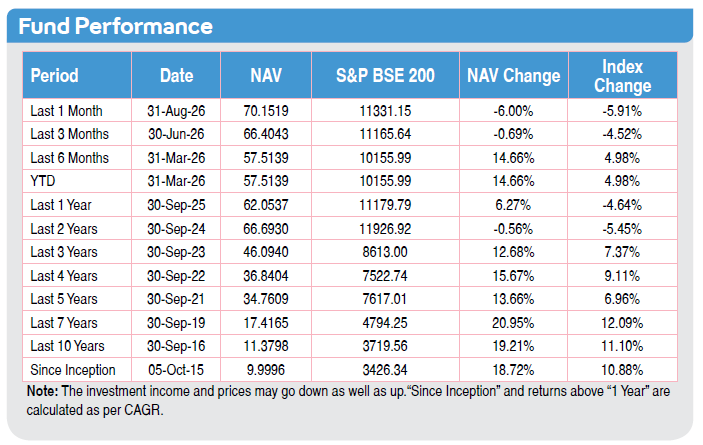
    • Tick Mark IconMulticap fund delivered 13.66% returns (Benchmark:6.96%)4
    • Tick Mark IconAll funds rated 4 or 5 stars3 by Morningstar5
    • Tick Mark IconPayouts are tax2 exempted

    Solution Composition

    Param Raksha Life Pro+ is designed for combination of Benefits of two individual and separate products named (1) Tata AIA Smart Sampoorna Raksha Supreme Unit Linked, Non-Participating Individual Life Insurance Plan (UIN: 110L179V02) and (2) Tata AIA Health Buddy, Non-Participating, Non-Linked, Individual Health Product (UIN: 110N183V02). These products are also available for sale individually without the combination offered/suggested.

    Tata AIA

    Param Raksha Life Pro + Information Icon

    • Tick Mark IconMulticap fund delivered 13.66% returns (Benchmark:6.96%)4
    • Tick Mark IconAll funds rated 4 or 5 stars3 by Morningstar5
    • Tick Mark IconGet terminal illness cover with Term booster6 + high life cover
    Preview Arrow Preview Arrow
    Next Arrow Next Arrow

    Best investment plans for ₹10 lakhs: A risk-to-return comparison

    Let's understand where to invest 10 lakh rupees:

    • 1. Low-risk investments

      These may be suitable for those who would like to keep their money accessible or earn interest at a defined rate. However, they will all have some conditions.

      • Fixed deposits: You will earn interest at a set rate for the time frame you wish to invest. There may be penalties or reduced interest for early withdrawals.
      • Savings account: This is easy to access and may be suitable for an emergency fund. The interest can vary.
      • Government savings schemes: Some schemes will have set interest rates and maturity terms. Check the eligibility, investment limits, and withdrawal restrictions.
    • 2. Medium-risk investments

      These may be suitable if you are comfortable with some value fluctuations.

      • Debt mutual funds: These include debt investments and money market instruments. Returns are not guaranteed and can be affected by interest rate fluctuations and credit risk.
      • Hybrid mutual funds: These include both equity and debt. The risk depends on the allocation, products, and investment strategy.
      • Diversified portfolio: This will include a variety of suitable products to help reduce risk. However, this will not completely prevent you from losing money.
    • 3. High-risk investments

      These may be suitable for long-term goals if you are comfortable with large fluctuations in your investment.

      • Equity mutual funds: These mainly include shares. Their value can be affected by market fluctuations and the fund’s holdings.
      • Direct equity: This depends on how well the company is doing, market sentiment, and the overall economy. Putting a large amount into a few shares can increase risk.
      • Equity ULIP funds: These include exposure to market-linked investments and life insurance. Their value can increase or decrease.

      Consider the cost, accessibility, tax* treatment, investment time frame and conditions of the product. Just because something has performed well in the past does not guarantee it will in the future.

    Invest ₹10 lakh in a ULIP plan

    A Unit Linked Insurance Plan includes life insurance and investment in market-linked funds. This may be suitable if you wish to cover a need for life insurance and invest for a longer-term goal. However, this is a long-term insurance product and may not be suitable if the money needs to be easily accessible.

    How does it work?

    You pay premiums depending on the payment time frame you choose. Once applicable charges have been applied, the amount allocated to investment is invested in the funds you choose. The funds will depend on the product and may include equity, debt, or other investments.

    The value of your investment will depend on the funds you choose and the charges applied. The policy will include life insurance. The death benefit, maturity benefit and other conditions will vary depending on the product.

    What to consider

    • Life insurance: Check what sum assured and death benefit conditions apply.
    • Funds: Check what funds are available and the level of risk they carry.
    • Five-year lock-in: ULIPs generally have a five-year lock-in period.
    • Charges: Check what charges apply to the policy. These can include premium allocation, fund management, mortality, and other charges.
    • Time frame: ULIPs are generally for longer-term goals. This may not be the same as the premium payment time frame.
    • Tax*: Check what tax conditions apply. This depends on whether you qualify for deductions or exemptions under the applicable rules.

    Tata AIA ULIP options

    Tata AIA has a variety of ULIP products. For example, Tata AIA Smart SIP is a non-participating unit-linked individual life insurance savings plan (UIN: 110L174V02). Its suitability will depend on the available options, premium, time frame, charges, and personal requirements.

    Check the current product brochure and policy document. Ensure you understand the minimum premium, entry age conditions, premium payment time frame, policy time frame, funds, charges, death benefit and maturity benefit. The amount you can invest and the cover available will depend on the policy.

    A lump sum of ₹10 lakh may not be a suitable premium. Check the minimum and maximum premium, underwriting requirements and policy conditions.

    How to get monthly income from a ₹10 lakh investment

    If you want to generate regular income, you will need to work out how much you want per month and for how long. The amount of income provided will depend on the product, payment conditions, interest rate or returns, charges, tax* treatment and payment time frame.

    The following are some investment options for 10 lakhs:

    • Fixed deposits: These can provide interest for the time frames you want. This will depend on the bank. However, the payout may differ from that of cumulative deposits.
    • Monthly Income Scheme: The Post Office Monthly Income Scheme provides interest payments at specified intervals, subject to investment limits and eligibility conditions.
    • Mutual funds: These can be invested in using a Systematic Withdrawal Plan (SWP). This means you can withdraw at set times. Withdrawals may not equal the returns you receive, and the investment value may reduce.
    • Life insurance savings: Some products provide regular income. This will depend on the policy and the premiums paid.

    Tata AIA Smart Income Plus is a non-linked, non-participating individual life insurance savings plan (UIN: 110N126V09). Depending on the option selected, it may provide regular income or a lump sum maturity benefit. Check the current brochure to understand the payment time frame, when income begins, payment conditions, maturity benefit, and life insurance cover.

    Do not assume you will receive a certain amount of income per month. Check the official benefit illustration and policy terms for the applicable benefits.

    How to invest ₹10 lakh with Tata AIA

    Tata AIA has life insurance products to help with different needs. If you want market-linked investments, you may want to look at ULIPs. If you want a savings plan with defined benefits, you may want to look at a non-linked savings plan. It will depend on whether you want to invest for growth, life insurance, regular income or a combination.

    Let's understand how to invest 10 lakhs with Tata AIA:

    Family's-needs

    Decide on your main goal

    Do you want market-linked investments, a savings plan with defined benefits or an insurance policy with income at set times? This will depend on your risk profile and the policy conditions.

    Whole-Life-Cover

    Look at relevant products

    If you are looking at a ULIP, check what funds are available, the policy time frame, premium time frame, charges, and market risks. If you are looking at a non-linked savings plan, check what benefits are guaranteed, whether there are any non-guaranteed benefits, the income time frame, maturity benefits and conditions.

    Pay-your-Way

    Check the premium and eligibility

    Check the minimum and maximum entry age, payment options, policy time frame, premium time frame and underwriting requirements. Ensure the amount you are looking to invest fits the premium conditions.

    OPD-Care-cover

    Review the benefit illustration

    Look at the official benefit illustration. If you are looking at a ULIP, consider the assumptions used for the fund values. Remember, returns are not guaranteed. If you are looking at a savings plan, check which benefits are guaranteed and which are non-guaranteed, including any applicable bonuses.

    Steady-Flow-of-Income

    Check charges, exclusions and conditions

    Look at the charges, exclusions, surrender conditions, discontinuance provisions, death benefits and maturity conditions. Insurance is a long-term commitment, and you may not get as much back if you end it early, depending on the policy terms.

    Steady-Flow-of-Income

    Complete the application

    Once you understand the product and its conditions, follow the official application process. Ensure you provide accurate information. Check the premium and benefits, and keep the policy documents.

    Conditions, eligibility, and UINs can change if a product is revised. Always check the latest information on the official Tata AIA website.

    Is ₹10 lakh enough to start investing?

    Yes, having ₹10 lakh can be a great start to building a diverse portfolio. However, the amount required will vary depending on the product. Whether it is suitable will depend on your situation.

    Consider:

    • Emergency savings: Ensure you have some money set aside for essential and unexpected costs.
    • Debt: Consider any high-cost debt and regular financial commitments.
    • Maturity: Ensure you invest in something that matches when you need the money.
    • Risk tolerance: Consider how much fluctuation and potential loss you can handle.
    • Diversification: Don’t put all your money into one investment.
    • Conditions: Compare accessibility, charges, tax* treatment, minimum investment and withdrawal conditions.

    Should I invest the full amount?

    It will depend on what product you are looking at. Some deposit products will allow you to invest a lump sum. Mutual funds may allow you to invest a lump sum or regularly. ULIPs will require you to pay premiums depending on the premium payment time frame.

    If you aren’t sure where to invest your ₹10 lakh, start by identifying your goals. Ensure you have enough money to keep accessible. Compare products using the same criteria. Having a larger starting amount will give you more options, but you still need to understand the risks.

    1.

    What is the best investment plan for ₹10 lakh in India?

    The best way to invest 10 lakhs depend on your goals, time frame, accessibility and risk tolerance. You may want to look at fixed deposits, mutual funds, government schemes, and life insurance savings.

    2.

    How much monthly income can I generate from a ₹10 lakh investment?

    This will depend on the product, interest rate or benefits, time frame, tax* treatment and charges. Check the current product conditions before estimating the income.

    3.

    What is the safest way to invest ₹10 lakh with guaranteed returns?

    Some deposits and eligible savings schemes offer defined interest or benefits. Check the applicable conditions, protection limits and withdrawal restrictions before investing.

    4.

    Is a ULIP plan a good option for a ₹10 lakh investment?

    This may be suitable if you want life insurance and market-linked investments for a long-term goal. Fund values can fluctuate, and ULIPs generally have a five-year lock-in period.

    5.

    What are the tax benefits of a ₹10 lakh investment plan?

    This will depend on the product and applicable tax* laws. Eligibility for deductions or exemptions depends on the investment, policy conditions, and tax regime. Consult a qualified tax professional.

    6.

    Can I invest ₹10 lakh as a lump sum in a ULIP or savings plan?

    This will depend on the product. Check the minimum and maximum premiums, payment time frame, underwriting requirements and policy conditions.

    7.

    Should I split ₹10 lakh across multiple investment plans or invest in one plan?

    Investing in a variety of suitable options can help reduce dependence on one investment, but it will not eliminate risk. Consider your financial needs, time frame, and risk tolerance.

    8.

    How should I invest ₹10 lakh for monthly income?

    Look at products that offer regular payments. These could include interest-paying deposits, eligible income schemes, or life insurance savings plans. Check the payment conditions, tax* implications, accessibility and capital risk.


    • The linked insurance product do not offer any liquidity during the first five years of the contract. The policy holder will not be able to surrender/withdraw the monies invested in linked insurance products completely or partially till the end of the fifth year.

    • Premier SIP is designed for combination of Benefits of two individual and separate products named (1) Tata AIA Life Insurance Tata AIA Smart SIP - Non-participating, Unit-linked, Individual Life Insurance Savings Plan (UIN: 110L174V02) and (2) Tata AIA Health Buddy - Non-participating, Non-Linked, Individual Health Product (UIN:110N183V02). Product option: Future Secure These products are also available for sale individually without the combination offered/suggested.

    • Param Raksha Life Pro+ is designed for combination of Benefits of two individual and separate products named (1) Tata AIA Smart Sampoorna Raksha Supreme Unit Linked, Non-Participating Individual Life Insurance Plan (UIN: 110L179V02) and (2) Tata AIA Health Buddy, Non-Participating, Non-Linked, Individual Health Product (UIN: 110N183V02). These products are also available for sale individually without the combination offered/suggested.

    • Some benefits are guaranteed, and some benefits are variable with returns based on the future performance of your insurer carrying on life insurance business. If your policy offers guaranteed benefits, then these will be clearly marked “guaranteed’ in the illustration table on this page. If your policy offers variable benefits, then the illustrations on these pages will show two different rates of assumed future investment returns. Currently the gross investment returns are stipulated as 4% p.a. and 8% p.a. These assumed rates of return are not guaranteed, and these are not the upper or lower limits of what you might get back, as the value of your policy is dependent on a number of factors including actual future investment performance.

    • 2Income Tax benefits would be available as per the prevailing income tax laws, subject to fulfillment of conditions stipulated therein. Income Tax laws are subject to change from time to time. Tata AIA Life Insurance Company Ltd. does not assume responsibility on tax implication mentioned anywhere in this document. Please consult your own tax consultant to know the tax benefits available to you. No Goods and Service Tax shall be applicable on Individual life insurance products as per prevailing laws. 

    • No Goods and Service Tax shall be applicable on Individual life insurance products as per prevailing laws. Tax laws are subject to amendments from time to time

    • 3All funds open for new business which have completed 5 years since inception are rated 4 or 5 Star by Morningstar as of February 2026.

    • 45-year computed NAV for Multi Cap Fund as of September 2026. Other funds are also available. Benchmark of this fund is S&P BSE 200. 
    • 5©2025 Morningstar. All rights reserved. The Morningstar name is a registered trademark of Morningstar, Inc. in India and other jurisdictions. The information contained here: (1) includes the proprietary information of Morningstar, Inc. and its affiliates, including, without limitation, Morningstar India Private Limited (“Morningstar”); (2) may not be copied, redistributed or used, by any means, in whole or in part, without the prior, written consent of Morningstar; (3) is not warranted to be complete, accurate or timely; and (4) may be drawn from data published on various dates and procured from various sources and (5) shall not be construed as an offer to buy or sell any security or other investment vehicle. Neither Morningstar, Inc. nor any of its affiliates (including, without limitation, Morningstar) nor any of their officers, directors, employees, associates or agents shall be responsible or liable for any trading decisions, damages or other losses resulting directly or indirectly from the information.

    • 6The Insured Amount under Terminal Illness with Term Booster option (in Health Buddy) is payable on earlier of death or diagnosis of Terminal illness of the Life Insured. Please refer Terms and Conditions for more details. 

    • 7Market-linked returns are subject to market risks and terms & conditions of the product. The assumed rate of returns or illustrated amount may not be guaranteed and depends on market fluctuations.

    • Investments are subject to market risks. The Company does not guarantee any assured returns. The investment income and price may go down as well as up depending on several factors influencing the market.

    • Linked Life Insurance products are different from traditional insurance products and are subject to risk factors.

    • The premium paid in Linked Life Insurance policies is subject to investment risks associated with capital markets and publicly available index. The NAV of the units may go up or down based on the performance of Fund and factors influencing the capital market/publicly available index and the insured is responsible for his/her decisions. The various funds offered under this contract are the names of the funds and do not in any way indicate the quality of these plans, their future prospects and returns. On survival to the end of the policy term, the Total Fund Value including Top-Up Premium Fund Value valued at applicable NAV on the date of Maturity will be paid

    • The fund is managed by Tata AIA Life Insurance Company Ltd. (hereinafter the “Company”). Tata AIA Life Insurance Company Limited is only the name of the Insurance Company & Tata AIA Smart SIP and Smart Sampoorna Raksha Supreme is only the name of the Unit Linked Life Insurance contract and does not in any way indicate the quality of the contract, its future prospects or returns.

    • The investment income and price may go down as well as up depending on several factors influencing the market. Please know the associated risks and the applicable charges, from your Insurance Agent or the Intermediary or Policy Document issued by the Insurance Company. Please make your own independent decision after consulting your financial or other professional advisor. Returns are calculated on an absolute basis for a period of less than (or equal to) a year, with reinvestment of dividends (if any). All investments made by the Company are subject to market risks. The Company does not guarantee any assured returns

    • Please know the associated risks and the applicable charges, from your Insurance Agent or the Intermediary or Policy Document issued by the Insurance Company. Please make your own independent decision after consulting your financial or another professional advisor

    • Various funds offered under this contract are the names of the funds and do not in any way indicate the quality of these plans, their future prospects and returns. Premium paid in Unit Linked Life Insurance policies are subject to investment risks associated with capital markets and the NAVs of the units may go up or down based on the performance of fund and factors influencing the capital market and the insured is responsible for his/her decisions

    • Buying a Life Insurance policy is a long-term commitment. An early termination of the policy usually involves high costs, and the Surrender Value payable may be less than the all the Premiums Paid. 

    • Insurance cover is available under the product. For more details on risk factors, terms and conditions please read sales brochure carefully before concluding a sale. 

    • L&C/Advt/2026/Oct/6129